
How much does it cost to paint a house in Melbourne?
Tricoat Painting · 3 July 2026 · 8 min read
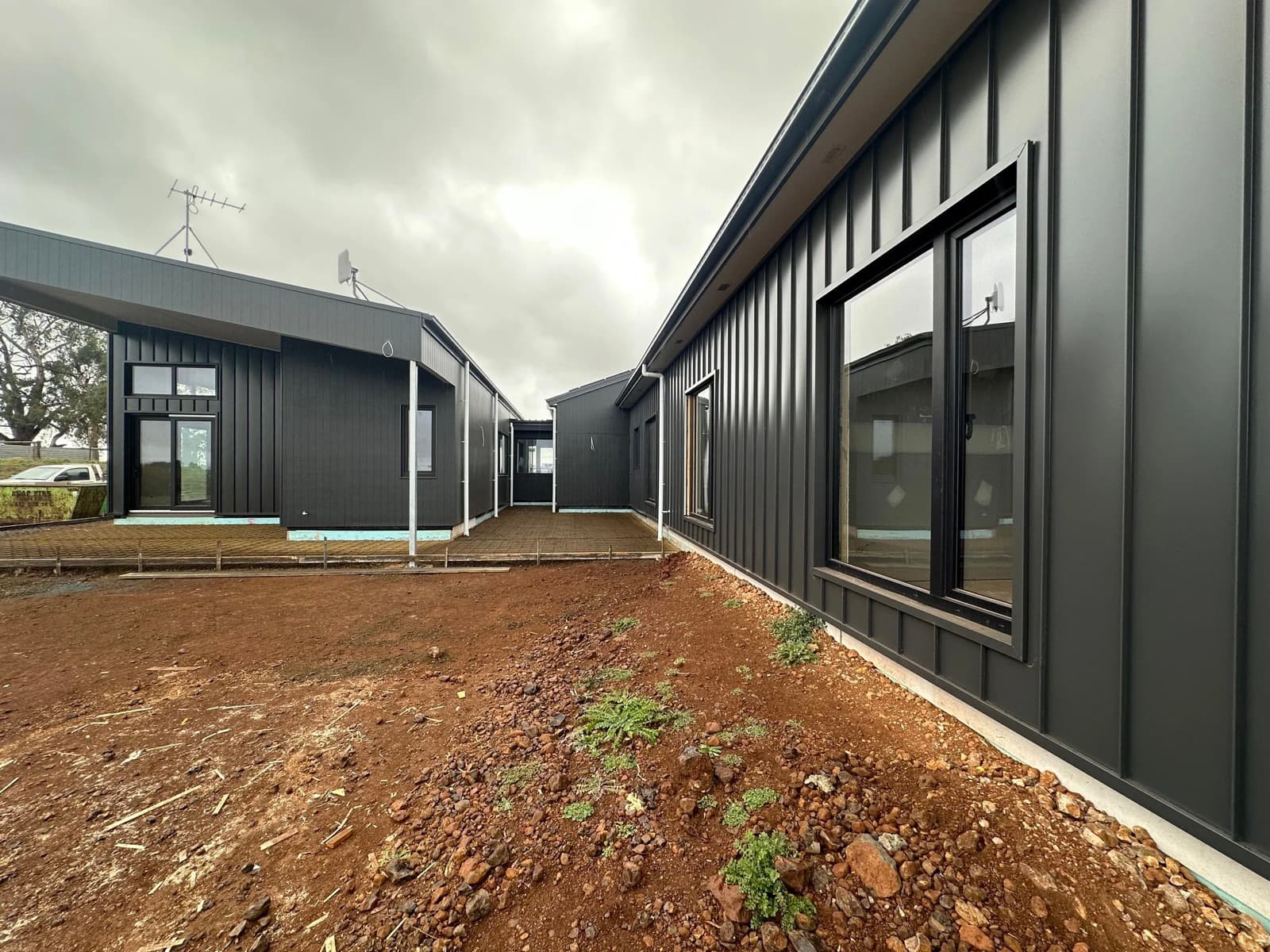
In Melbourne in 2026, a full interior repaint of a 3-bedroom home runs roughly $5,000–$12,000, a single-storey exterior about $5,000–$11,000, and a complete interior-and-exterior repaint around $18,000–$30,000+. Surface condition and prep move the price more than anything else, so the only accurate figure is a fixed, itemised quote after an on-site measure.
Tricoat Painting · Updated July 2026
In Melbourne in 2026, public price guides put a full interior repaint of a 3-bedroom home at roughly $5,000–$12,000, a single-storey brick or rendered exterior at about $5,000–$11,000, and a complete repaint that does interior and exterior together at around $18,000–$30,000+ for a standard 3–4 bedroom house. Per square metre, that's roughly $20–$45/m² for interior walls and $35–$60/m² for exterior. The figure swings on one thing above all others: how much preparation the surfaces need before any topcoat goes on. The only accurate number is a fixed quote after an on-site measure.
Those ranges come from public 2026 Melbourne painting price guides, not from us — we've cited each one at the foot of this page. They're a fair sanity-check for setting a budget, but no honest painter can price a whole-house repaint over the phone. Below is what sits behind the numbers, the levers that move them, and how to read a quote so you're comparing like with like.
The quick answer: indicative Melbourne ranges
| What you're pricing | Indicative range | Source |
|---|---|---|
| Interior walls, per square metre | $20–$45 / m² | Call a Painter, Golden Deco, Rosella, 2026 |
| Exterior, per square metre | $35–$60 / m² | Call a Painter, Modernize Solutions, 2026 |
| Single interior room (walls + ceiling) | $400–$1,500 | Call a Painter, Golden Deco, 2026 |
| 3-bedroom interior repaint | $5,000–$12,000 | Rosella, Melbourne Renovation Experts, 2026 |
| 4-bedroom interior repaint | $8,000–$20,000 | Call a Painter, Golden Deco, 2026 |
| Single-storey exterior — brick / render | $5,000–$11,000 | What's The Damage, Melbourne Renovation Experts, 2026 |
| Single-storey exterior — weatherboard | $12,000–$20,000 | Modernize Solutions, Call a Painter, 2026 |
| Double-storey exterior | $12,000–$22,000 | Melbourne Renovation Experts, What's The Damage, 2026 |
| Full repaint — interior and exterior together | $18,000–$30,000+ | Golden Deco, Melbourne Renovation Experts, 2026 |
Indicative published 2026 ranges for budgeting — not a Tricoat quote.
Notice how wide each band is. That spread isn't sloppiness — it reflects how much the condition of the house and the scope of prep move the price. A square metre of sound, recently-painted wall costs a fraction of a square metre that needs scraping, sanding, crack-filling, patching or mould treatment first. Treat any single rate as a starting point, not a quote.
Interior, exterior, or both?
The first thing that sets the number is how much of the house you're painting. The three common scopes break down like this:
- Interior only. Published guides put a 3-bedroom interior repaint at roughly $5,000–$12,000, and a 4-bedroom at about $8,000–$20,000. Where you sit depends on room count, ceilings and trims, and how much patching the walls need. Per room, a standard bedroom or living room runs somewhere around $400–$1,500, with larger open-plan rooms higher. This is the core of our interior painting work — and we break the room-by-room numbers down further in our interior painting cost guide.
- Exterior only. A single-storey brick or rendered house runs about $5,000–$11,000; a double-storey lands around $12,000–$22,000. Exterior costs more per square metre than interior — roughly $35–$60/m² versus $20–$45/m² — because of access, weatherproofing and more coats. See our exterior painting service for how we approach it, or the substrate-by-substrate detail in our exterior painting cost guide.
- Both at once. A full repaint covering inside and out on a standard 3–4 bedroom home sits around $18,000–$30,000+. It's the biggest single line item, but doing both on one visit is usually cheaper per square metre than booking two separate jobs, because the setup, access and travel happen once.
One thing worth knowing: interior work is largely weather-independent and can run year-round, while exterior work has a season in Melbourne. If you're doing both, we'll often plan the exterior for the warmer, drier months and the interior whenever suits you.
Why prep — not paint — drives the price
On almost every house, the paint itself is the cheap part. The cost lives in the preparation. Several Melbourne guides put surface prep at 50–70% of the labour on a repaint, and the most honest of them say plainly that the surface condition, not the size of the house, is the primary cost variable.
Sound, recently-painted walls sit at the bottom of every range above. Surfaces that need scraping, sanding, crack-filling, plaster patching, mould treatment or rot repair sit well above it — because those are the hours that decide whether your repaint lasts a year or the five-to-ten years a quality system should give you. When two quotes for the same house come in thousands apart, it's almost always the prep, not the paint, that explains the gap.
What actually changes the number on your quote
Beyond prep, these are the levers that move a whole-house repaint up or down:
- House size and room count. It's priced per square metre, so more wall and ceiling area means more cost. The step from a 3-bedroom to a 4-bedroom is a real one — roughly $5,000–$12,000 versus $8,000–$20,000 on the interior alone.
- Storeys and access. A second storey adds scaffolding (published guides put hire at around $2,000–$5,000) and more labour at height; those guides suggest the uplift over a single-storey equivalent is on the order of 40–60%. High ceilings over about 2.4 metres also need equipment and add time.
- Substrate — what the house is made of. Brick and render are cheaper to repaint than weatherboard, because timber needs far more prep: sanding, priming and board repairs. That's why a single-storey brick or rendered exterior runs about $5,000–$11,000 while weatherboard runs $12,000–$20,000. We cover the timber-specific detail in our companion guide on the cost to paint a weatherboard house in Melbourne.
- Paint system and number of coats. A premium exterior acrylic costs more per litre, but it's a small share of the total next to labour — and it's where the durability comes from. Two coats versus three changes the price, and quality exterior work usually means more coats, not fewer.
- Colour choice. Picking out trims, sashes and detail in two or three contrasting colours is slower than a single scheme, and dark colours can need extra coats. Multiple colours and intricate trim add labour.
- Heritage detail and older paint. Homes painted before about 1970 almost certainly carry lead in the older layers, which means lead-safe handling — slower, more careful work. Add ornate trim and hand-cut detail and you're in heritage restoration territory rather than a quick repaint.
- Inclusions that quietly vanish from cheap quotes. Furniture moving, ceilings and trims, rubbish removal, scaffolding or high-access fees, and extra coats for dark colours are the usual things left out to make a number look smaller.
The best time of year to paint in Melbourne
For exterior work, the reliable window in Melbourne is roughly October to April. Paint cures best between about 10°C and 30°C, so the late-spring-to-early-autumn stretch gives the steady temperatures and lower rainfall that let a coating bond and cure evenly. Below about 10°C, water-based paint won't cure properly; in extreme heat it can blister; wind blows dust into the wet film; and surfaces need to be dry, so good painters wait several days after rain rather than coating over a damp wall.
Dulux's own Weathershield guidance says not to apply when air or surface temperatures are below 10°C, or when they may fall below 10°C during the drying period — which is exactly why we plan exterior jobs around the forecast. Interior work doesn't carry the same constraint and can be booked any time of year.
How to read a painting quote
When you compare quotes, the headline price is only half the story. A proper itemised quote should tell you:
- Exactly what's included. The specific rooms and surfaces — walls, ceilings, doors, trims — not just "paint house." Vague scopes are where surprise variations hide.
- The preparation scope. Washing, scraping, sanding, filling, patching and priming should be spelled out. If prep isn't itemised, you can't tell why one quote is cheaper than another.
- The paint product and number of coats. A reputable quote names the brand and product line and tells you how many coats, so you're comparing like with like.
- A single fixed total, GST-inclusive. For residential work the price you see should be the price you pay. Some published per-hour and per-square-metre figures are quoted plus GST because they're trade rates — your quote shouldn't be.
- How variations are handled. Ask what happens if rot or damage turns up once work starts. A fair painter prices the change and gets your written sign-off before doing it, rather than billing it at the end.
That's how we quote every job: a fixed, itemised, GST-inclusive price after we've actually walked the house — never a phone ballpark, and never a surprise variation once we've started.
So, what will your house cost?
If your home is in sound condition, budget toward the lower end of the public ranges above. If walls need patching, the exterior is weatherboard or double-storey, or the house carries heritage detail and pre-1970 paint, expect to sit higher — the prep and the repairs are doing the work. No one can give you the real figure without seeing the surfaces.
We've been painting Melbourne homes since 2008 — from our home base in Thomastown across the north, to Eaglemont and the leafy east — inside and out. If you'd like a fixed, itemised price for yours, book a free on-site measure and we'll quote it properly.
Want the real figure for your place?
Published ranges only get you so far. We give a fixed, itemised price after a free on-site measure — no phone ballparks, no surprise variations.
Related services
Sources
Figures are third-party published ranges for budgeting guidance, current when this guide was researched — not a Tricoat quote.
- Call a Painter Melbourne — Cost To Paint A House In Melbourne (2026 Price Guide)
- Golden Deco — Residential Painting Melbourne Cost | 2026 Price Guide
- Rosella Painting — House Painting Cost Melbourne 2026
- Melbourne Renovation Experts — House Painting Cost | 2026 Price Guide
- What's The Damage — Painter Cost Australia 2026
- Modernize Solutions — House Painting Cost Melbourne 2026
- PaintPal — House Painting Cost Melbourne 2026 Complete Price Guide
- Victoria Master Painting — Best Time to Paint Your House Exterior
- Dulux — Weathershield Promise (official residential guarantee)
Frequently asked questions
How much does it cost to paint a house in Melbourne in 2026?
Is it cheaper to paint the interior or the exterior?
How much does it cost to paint a 3-bedroom house in Melbourne?
Why are two quotes for the same house thousands of dollars apart?
What's the best time of year to paint a house in Melbourne?
Why won't a painter give me a price over the phone?
Ready for a paint job that lasts?
Free measure across Melbourne's north and east. Honest scope, fair price, no mess left behind.