
How Much Does It Cost to Paint a Weatherboard House in Melbourne?
Tricoat Painting · 31 May 2026 · 7 min read
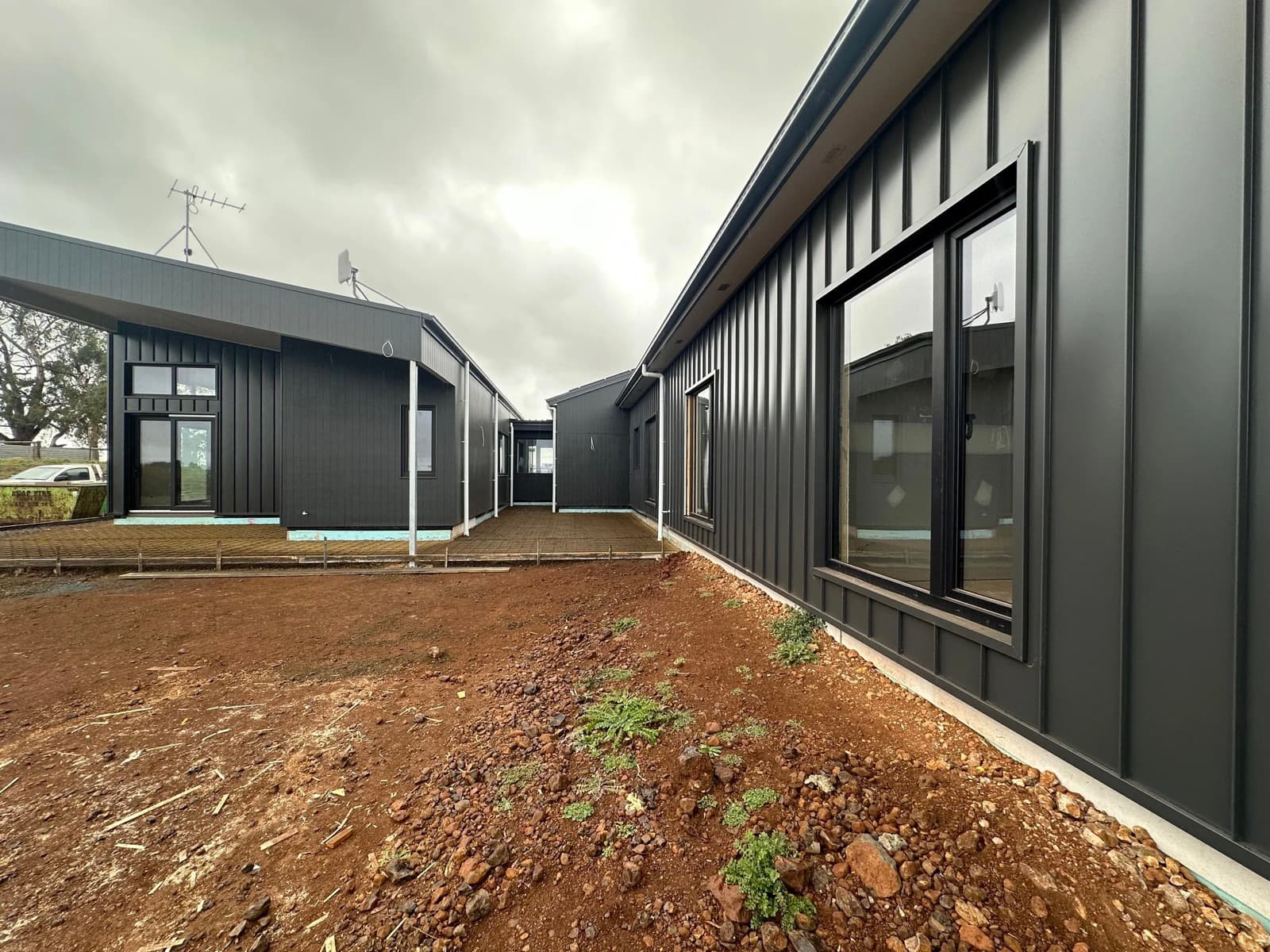
A full exterior repaint of a single-storey weatherboard house in Melbourne typically runs about $12,000–$20,000, or roughly $25–$50 per square metre. The timber's condition — how much scraping, board repair and priming it needs — sets the figure far more than the paint. The only accurate price is a fixed quote after an on-site measure.
Tricoat Painting · Updated July 2026
A full exterior repaint of a single-storey weatherboard house in Melbourne typically runs from around $12,000 to $20,000, or roughly $30–$80 per square metre, with published Melbourne guides putting weatherboard work at about $25–$50 per square metre at the lower end. The figure swings on one thing above all others: how much preparation the timber needs before a drop of topcoat goes on. A sound, recently-painted house sits near the bottom of that range; one with peeling paint, rotten boards or perished putty sits well above it. The only accurate number is a fixed quote after an on-site measure.
Those ranges come from public 2026 Melbourne painting price guides, not from us — we've cited each one at the foot of this page. They're a useful sanity-check for budgeting, but no honest painter can price a weatherboard repaint over the phone. Here's what sits behind the numbers, and how to read a quote properly.
The quick answer: indicative Melbourne ranges
| What you're pricing | Indicative range | Source |
|---|---|---|
| Exterior painting, per square metre | $30–$80 / m² | Modernize Solutions, 2026 |
| Weatherboard painting, per square metre | ~$25–$50 / m² | Abadi Painting |
| All painting services, per square metre (broad) | $60–$100 / m² | ServiceTasker, 2026 |
| Single-storey weatherboard exterior repaint | $12,000–$20,000 | Modernize Solutions, 2026 |
| Typical painting budget (interior or exterior) | $4,500–$25,500 | ServiceTasker, 2026 |
Indicative published ranges for budgeting — not a Tricoat quote.
Notice how widely the per-square-metre figures vary between sources — from about $25 to $100. That spread isn't sloppiness; it reflects how much the condition of the house and the scope of prep move the price. A square metre of clean, sound weatherboard costs a fraction of a square metre that needs scraping, sanding, board replacement and priming first. Treat any single per-metre rate as a starting point, not a quote.
Why prep — not paint — drives the price
On a weatherboard house, the paint is the cheap part. The cost lives in the preparation, because timber that isn't prepped properly will shed its new coat within a year or two no matter how good the paint is.
A proper exterior prep on weatherboard means pressure-washing off dirt, mould and chalk; scraping and sanding every flaking edge back to a sound surface; treating any rot; filling and flexible-caulking the gaps between boards so water can't get behind them; and priming every bare patch. Only then do the topcoats go on. Those are the hours that decide whether your repaint lasts a year or the seven-to-ten years a quality exterior system should give you. This is the heart of how we approach every exterior painting job.
Victoria Master Painting make the same point about Melbourne weatherboards: many homes need timber repairs from carpenters to replace rotten or damaged boards before painting — work that adds to the total before any paint is bought. If a quote looks suspiciously cheap, it's usually the prep — or the board repairs — that have been quietly left out.
What actually changes the number on your quote
Two weatherboard houses on the same street can quote thousands apart. These are the levers:
- Condition of the timber. Sound, previously-painted boards are quick. Peeling, weathered or rotten boards mean scraping, sanding, board replacement and re-puttying windows — the single biggest variable.
- Storeys and access. A double-storey house, or one on a steep or tight block, needs scaffold and more labour at height. Single-storey on a flat block is the cheapest case.
- Surface area and detail. Eaves, fascias, gutters, downpipes, verandah posts, fretwork and window frames all add area and hand-work. Period homes with ornate trim carry far more detail than a plain post-war house.
- Number of colours. A single-colour scheme is faster than picking out trim, sashes and lacework in two or three contrasting tones.
- Paint system. A premium exterior acrylic with a long manufacturer warranty costs more per litre — but it's a small share of the total next to labour, and it's where the durability comes from.
- Lead paint. If the house was painted before about 1970, the older layers almost certainly contain lead, which means lead-safe containment and disposal. That's slower, more careful work — and on a period home it isn't optional.
Weatherboard in Melbourne: a few local realities
Weatherboard is woven through Melbourne's housing — the Victorian and Edwardian cottages of the inner north, the timber and mudbrick homes of Eltham's green wedge, and post-war weatherboard family homes across the northern suburbs. Three things about painting them here are worth knowing before you budget.
Melbourne's climate is hard on timber coatings. Hot, dry summers, damp winters and big daily temperature swings make paint expand and contract until poorly-prepped coatings let go. That's exactly why prep matters more on weatherboard than on almost any other substrate.
There's a season for it. Exterior paint needs roughly 10–30°C and below about 70% humidity to bond and cure, which makes October to April the reliable exterior window in Melbourne. Work quoted for the cooler months gets planned around the weather, not rushed on before rain.
Older weatherboard often means heritage care. Pre-1970 paint, ornate trim and century-old timber put many weatherboard homes into heritage restoration territory — lead-safe handling, period-appropriate colours and hand-cut detail rather than a quick spray-and-go.
How to read a weatherboard painting quote
When you compare quotes, the price is only half the story. Look for:
- An itemised, fixed scope. The quote should spell out the prep — washing, scraping, sanding, filling, board and putty repairs, priming — not just "paint exterior." Vague quotes are where surprise variations hide.
- The paint system named. A reputable quote tells you the product and number of coats, so you can compare like with like.
- What happens to surprises. Ask how rotten boards or hidden rot are handled. A fair painter prices any change and gets your written sign-off before doing it, rather than billing it at the end.
- GST and inclusions. Confirm the figure is GST-inclusive and covers clean-up and garden protection.
That's how we quote every weatherboard repaint: a fixed, itemised, GST-inclusive price after we've actually inspected the timber — never a phone ballpark, and never a surprise variation once we've started.
So, what will your house cost?
If your single-storey weatherboard is in sound condition, budget toward the lower end of the public ranges above. If it has peeling paint, weathered or rotten boards, is double-storey, or carries heritage detail and pre-1970 lead paint, expect to sit higher — the prep and the repairs are doing the work. The honest answer is that no one can tell you the real figure without seeing the timber.
We've been painting Melbourne's weatherboard homes since 2008, from heritage cottages in the inner north to family homes across the north and east — many just minutes from our Thomastown base. For the broader picture beyond weatherboard, see our Melbourne house painting cost guide. If you'd like a fixed, itemised price for your weatherboard repaint, book a free on-site measure and we'll quote it properly.
Want the real figure for your place?
Published ranges only get you so far. We give a fixed, itemised price after a free on-site measure — no phone ballparks, no surprise variations.
Related services
Sources
Figures are third-party published ranges for budgeting guidance, current when this guide was researched — not a Tricoat quote.
Frequently asked questions
How much does it cost to paint a weatherboard house in Melbourne?
Why are some weatherboard painting quotes so much cheaper than others?
How often should a weatherboard house be repainted?
When is the best time to paint a weatherboard house in Melbourne?
Ready for a paint job that lasts?
Free measure across Melbourne's north and east. Honest scope, fair price, no mess left behind.