
How much does it cost to paint the exterior of a house in Melbourne?
Tricoat Painting · 3 July 2026 · 8 min read
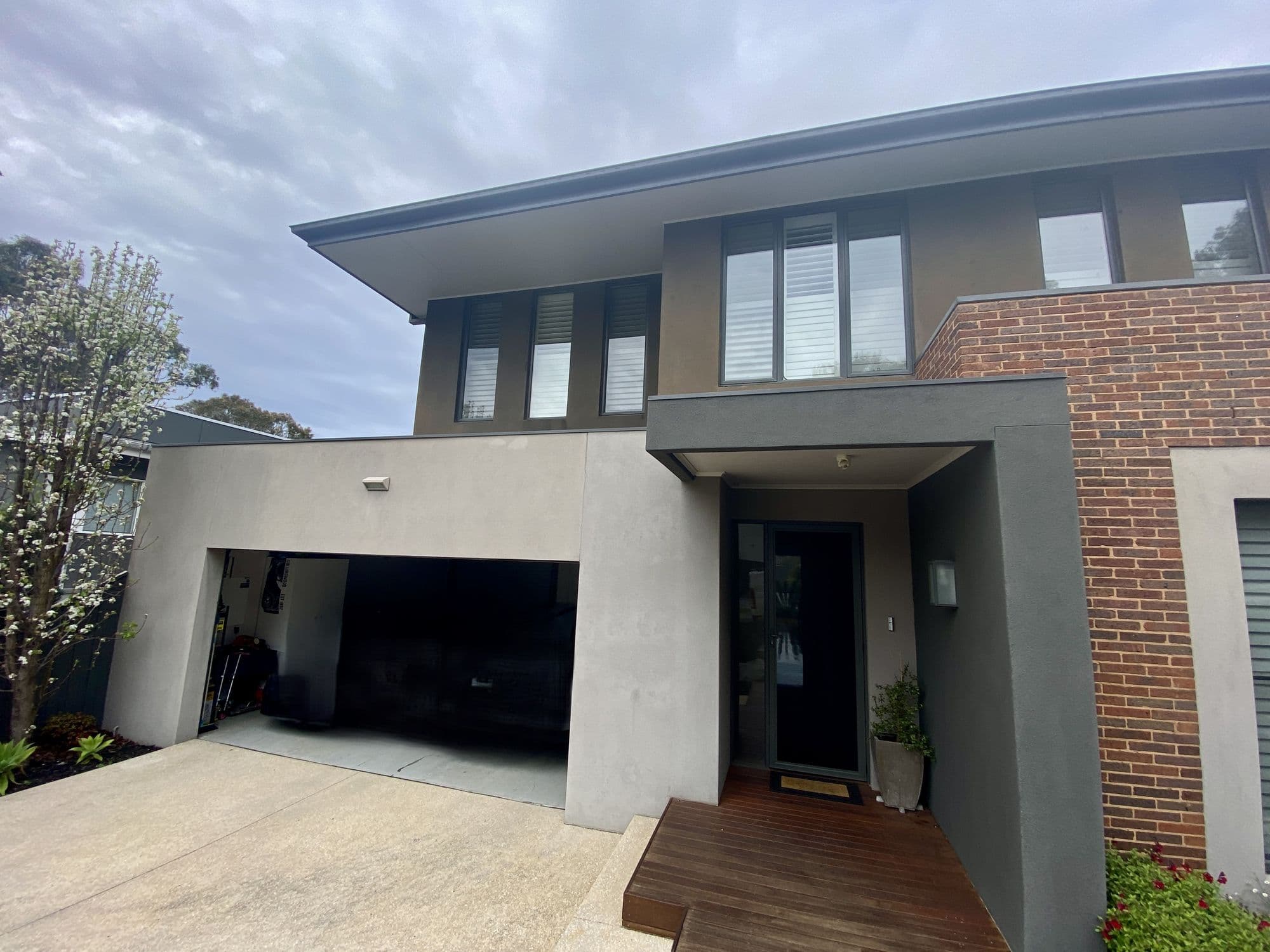
A full exterior repaint in Melbourne runs from about $4,000 for a small single-storey brick or render home up to $25,000–$30,000+ for a large or double-storey weatherboard one. The substrate (brick and render cost less than timber), the surface condition and access set the figure. The only accurate price is a fixed quote after an on-site measure.
Tricoat Painting · Updated July 2026
A full exterior repaint in Melbourne runs roughly $4,000 for a small single-storey brick or render home at the bottom up to $25,000–$30,000+ for a large or double-storey weatherboard house at the top, or about $30–$80 per square metre overall. The single biggest swing is the cladding: brick and render need the least prep and sit lowest (~$25–$45/m²), while weatherboard needs scraping, sanding and timber repair and sits higher. Storeys and access then push the figure up again. The only accurate number is a fixed quote after an on-site measure.
Those ranges come from public 2026 Melbourne painting price guides, not from us — every one is cited at the foot of this page. They're a fair sanity-check for a budget, but no honest painter can price an exterior repaint over the phone, because two houses with the same floor area can quote thousands apart. Below is how the substrate, the storeys, the access and the condition each move the number, and how to read a quote.
The quick answer: indicative Melbourne ranges
| What you're pricing | Indicative range | Source |
|---|---|---|
| Exterior painting, per square metre (overall) | $30–$80 / m² | Modernize Solutions, Call a Painter, 2026 |
| Brick or render, per square metre | $25–$45 / m² | Golden Deco, ServiceTasker, Service.com.au, 2026 |
| Weatherboard, per square metre | higher end of the range | Golden Deco, Abadi Painting, 2026 |
| Single-storey brick (full job) | $4,000–$9,000 | ServiceTasker, 2026 |
| Single-storey render (full job) | ~$6,000–$15,000 | Newline Painting, World Class Painting, 2026 |
| Single-storey weatherboard (full job) | $12,000–$20,000 | Modernize Solutions, Newline Painting, 2026 |
| Double-storey weatherboard (full job) | $18,000–$30,000 | Modernize Solutions, ServiceTasker, 2026 |
| Two-storey access uplift over single-storey | add roughly 40–60% | Modernize Solutions, Newline Painting, 2026 |
Indicative published 2026 ranges for budgeting — not a Tricoat quote.
Notice how wide each band is, and how the per-square-metre figures span $25 to $80. That spread isn't sloppiness — it reflects how much the cladding and the condition move the price. A square metre of sound brick that only needs a wash and two coats costs a fraction of a square metre of weathered weatherboard that needs scraping, board repair and priming first. Treat any single rate as a starting point.
Substrate is the biggest lever: brick, render and weatherboard
What your house is clad in sets the floor and the ceiling on the price, because each material needs a different amount of preparation before a drop of topcoat goes on. Prep is where the labour lives, and labour is roughly 60% of the total on an exterior job — so the more prep your cladding needs, the more you pay. Here's how the three common Melbourne substrates stack up, cheapest to dearest.
- Brick is the cheapest exterior to repaint, and many brick homes only need the eaves, fascias, gutters, downpipes and window trim done rather than the face brick — the lowest-cost exterior job of all. A full brick repaint sits around $4,000–$9,000 for a single-storey home; trim-only sits below that.
- Render sits in the middle. A sound rendered surface takes paint readily, so prep is lighter than timber — published guides put a single-storey rendered repaint around $6,000–$15,000, with cracked or unpainted render adding time at the upper end.
- Weatherboard sits at the top. Timber needs the most work — pressure-washing, scraping and sanding flaking edges, treating rot, replacing damaged boards, re-puttying windows and priming — before any topcoat. That's why a single-storey weatherboard repaint runs $12,000–$20,000, and why it carries the highest per-square-metre rate of the three. We go deeper in our weatherboard cost guide.
If your home is rendered, the figure moves mostly on crack repair and how chalky the old coating is — sound render sits near the middle of the ranges above. Whatever the cladding, the prep is the part that decides whether your repaint lasts a year or the seven-to-ten years a quality exterior system should give you.
Storeys, access and scaffold
After the substrate, the next big driver is how hard the house is to reach. A single-storey home on a flat block with clear side-access is the cheapest case. Add a second storey, a steep block or a tight side-return with no footprint for scaffold, and the labour-at-height and equipment costs climb.
Published Melbourne guides add roughly 40–60% over the single-storey figure for a two-storey home — which is why a double-storey weatherboard repaint runs $18,000–$30,000 where its single-storey equivalent sits at $12,000–$20,000. Part of that uplift is scaffolding or an elevated work platform (EWP), a real, separate line on the quote: one Melbourne guide puts scaffold or EWP at around $2,000–$5,000, while aggregator cost guides put access equipment anywhere from a few hundred dollars into the thousands. It isn't padding — working safely at height takes the right gear, and it's a corner you don't want cut.
Why prep — not paint — drives the price
On any exterior, the paint is the cheap part. Premium exterior acrylic runs roughly $15–$40+ per litre, and even a top-shelf product is a small share of the total next to the labour. The cost lives in the preparation, because a surface that isn't prepped properly will shed its new coat early — and Melbourne's hot, dry summers, damp winters and big daily temperature swings make poorly-prepped coatings let go faster than in a milder climate. That's why two houses on the same street can quote thousands apart. These are the levers behind the number on your quote:
- Cladding material. Weatherboard at the top, render in the middle, brick at the bottom — the single biggest swing, because of the prep each needs.
- Condition of the surface. Sound, recently-painted surfaces are quick; peeling paint, weathered or rotten timber, perished putty or cracked render all add hours. Prep alone can add 10–30% to a job.
- Storeys and access. Double-storey, steep blocks and tight side-access add labour at height and the scaffold or EWP to work safely.
- Surface area and detail. Eaves, fascias, gutters, downpipes, verandah posts, fretwork and sash windows all add area and hand-work — period homes carry far more detail than a plain post-war home.
- Number of colours. A single-colour scheme is faster than picking out trim, sashes and lacework in two or three tones.
- Lead paint. If the house was painted before about 1970, the older layers almost certainly contain lead, which means lead-safe containment and disposal — slower, more careful work that, on a period home, isn't optional.
A few Melbourne realities worth budgeting for
There's a season for exterior work. Exterior paint needs roughly 10–30°C and humidity below about 70% to bond and cure, which makes October to April the reliable exterior window in Melbourne, with autumn often the sweet spot. Dulux's own Weathershield guidance sets a 5°C minimum and says not to paint when rain is forecast. Work quoted for the cooler months gets planned around the weather, not rushed on before a shower.
Older homes often mean heritage care. Pre-1970 paint, ornate trim and century-old timber put many Melbourne exteriors into heritage restoration territory — lead-safe handling, period-appropriate colours and hand-cut detail rather than a quick spray-and-go. That's part of why a heritage exterior sits above a plain one of the same size.
Plan for the timeline. A small exterior repaint runs roughly 2–3 days, a medium one 4–6 days and a large single-storey 7–10 days; a double-storey can stretch to two or three weeks. Weather and the amount of prep both extend it.
How to read an exterior painting quote
When you compare quotes, the headline price is only half the story — the cheap ones are usually cheap because something has been left out. Look for:
- An itemised, fixed scope. The quote should spell out the prep — washing, scraping, sanding, filling, board or render repairs, priming — not just "paint exterior." Vague quotes are where surprise variations hide.
- The substrate and what's included. On a brick home, confirm whether it's a full repaint or trim and eaves only; on render or timber, confirm crack and board repairs are in scope, not an extra.
- Access and scaffold. On a two-storey or hard-access job, the quote should say how the height is reached and that scaffold or EWP is included.
- The paint system named. A reputable quote tells you the product and number of coats, so you can compare like with like.
- GST and inclusions. Confirm the figure is GST-inclusive and covers clean-up and garden protection.
That's how we quote every exterior repaint: a fixed, itemised, GST-inclusive price after we've inspected the cladding — never a phone ballpark, and never a surprise variation once we've started.
So, what will your exterior cost?
A sound single-storey brick or render home sits toward the lower end of the ranges above; weatherboard, double-storey, hard-access or heritage homes sit higher, because the substrate, the access and the repairs are doing the work. No one can give you the real figure without seeing the house.
We've been painting Melbourne's exteriors since 2008, across the northern and eastern suburbs — brick, render and weatherboard, single-storey and double, many just minutes from our Thomastown base. For the full inside-and-out picture, see our Melbourne house painting cost guide; for a fixed, itemised price, see our exterior painting service or book a free on-site measure and we'll quote it properly.
Want the real figure for your place?
Published ranges only get you so far. We give a fixed, itemised price after a free on-site measure — no phone ballparks, no surprise variations.
Related services
Sources
Figures are third-party published ranges for budgeting guidance, current when this guide was researched — not a Tricoat quote.
- Modernize Solutions — House Painting Cost Melbourne 2026
- Newline Painting — Exterior House Painting Cost in Melbourne: A 2026 Guide
- GoldenDeco — Exterior Painting Melbourne 2026 Cost & Tips Guide
- ServiceTasker — How Much Do Painters Charge in Australia 2026
- World Class Painting — Cost to Paint House Exterior Melbourne 2026
- Call A Painter Melbourne — Cost To Paint A House In Melbourne (2026 Price Guide)
- Service.com.au — How much does an exterior painter cost (2026)
- Abadi Painting — Weatherboard Painting Cost
- Paint Group — Weatherboard Quote
- GoldenDeco — Residential Painting Melbourne Cost 2026
- Victoria Master Painting — Cost to paint a weatherboard house in Melbourne
- Home Improvement Australia — Best Time of Year to Paint Your House (2026 Guide)
- Dulux Australia — Weathershield Low Sheen (min temp, application guidance)
- Australian Government DCCEEW — Lead in house paint
- Australian Government — Lead Alert: The Six Step Guide to Painting Your Home (5th ed)
Frequently asked questions
How much does it cost to paint the exterior of a house in Melbourne?
Is it cheaper to paint a brick or render house than a weatherboard one?
How much more does a double-storey house cost to paint?
When is the best time of year to paint a house exterior in Melbourne?
Why are some exterior painting quotes so much cheaper than others?
Does my old house have lead paint, and does that change the cost?
Ready for a paint job that lasts?
Free measure across Melbourne's north and east. Honest scope, fair price, no mess left behind.